

Medically reviewed content reflecting Denver Regenerative Medicine’s commitment to natural, evidence-based approaches to hormonal health.
Key Takeaways
- Free testosterone is the bioavailable form that determines energy, libido, and muscle function—not just total testosterone levels
- Specific micronutrients (Zinc, Magnesium, Vitamin D3, Boron) serve as enzymatic cofactors in testosterone synthesis
- Sleep quality and cortisol management directly impact your body’s natural testosterone production
- Environmental endocrine disruptors in plastics and personal care products actively suppress hormonal function
- Natural interventions typically show measurable changes within 8-12 weeks when implemented consistently
If you’re a man between 30 and 55 experiencing fatigue, difficulty building muscle, brain fog, or declining libido, you’re likely dealing with suboptimal free testosterone—the bioavailable hormone that actually drives performance and vitality. While testosterone replacement therapy (TRT) is one option, many men can restore hormonal balance through targeted lifestyle interventions before considering synthetic hormones.
This guide outlines a comprehensive, evidence-based protocol for optimizing your body’s natural testosterone production using cutting-edge nutritional biochemistry, circadian biology, and environmental toxicology principles.
What Is the Difference Between Total and Free Testosterone?
Most men don’t realize that “normal” testosterone lab results can still mean hormonal dysfunction.
Total testosterone measures all the testosterone in your bloodstream—but much of it is bound to proteins like Sex Hormone Binding Globulin (SHBG) and albumin, making it biologically inactive. Free testosterone is the unbound fraction (typically 2-3% of total) that can enter cells and activate androgen receptors. This is the metric that determines your energy, libido, cognitive function, and muscle-building capacity.
High SHBG levels—often caused by insulin resistance, liver stress, or excess body fat—can trap testosterone and create symptoms of “low T” even when total testosterone appears normal. This is why functional approaches focus on both increasing production and improving bioavailability.
Before starting any protocol, baseline hormone testing is essential. Our hormone panel blood testing provides a complete picture of total testosterone, free testosterone, SHBG, estradiol, and cortisol.
The Nutritional Foundation: Micronutrients That Matter
Testosterone synthesis is an enzymatic process—it requires specific vitamins and minerals as cofactors. Deficiencies in these micronutrients create biochemical bottlenecks.
Zinc and Magnesium: The Anabolic Pair
Zinc is required for the enzyme 5-alpha reductase, which converts testosterone to its more potent form, DHT. Deficiency is common in men who sweat heavily or consume high amounts of phytates (grains, legumes). Research suggests 30-45 mg of zinc daily for men with documented deficiency can restore normal testosterone levels within 6 months.
Magnesium competes with SHBG for binding sites, effectively increasing free testosterone. Magnesium glycinate (400-500 mg before bed) also supports deep sleep—critical for overnight hormonal pulsing.
Vitamin D3: The Pro-Hormone
Vitamin D receptors are present in testicular Leydig cells, where testosterone is produced. Men with blood levels below 30 ng/mL often see a 20-30% increase in total testosterone when supplementing with 4,000-5,000 IU daily. Pair it with Vitamin K2 to ensure proper calcium metabolism and avoid arterial calcification.
Boron: The SHBG Reducer
This trace mineral has been shown in clinical trials to reduce SHBG by up to 10% and increase free testosterone within one week at doses of 6-10 mg daily. Boron also reduces inflammatory markers, which indirectly supports hormonal health.
Healthy Fats and Cholesterol
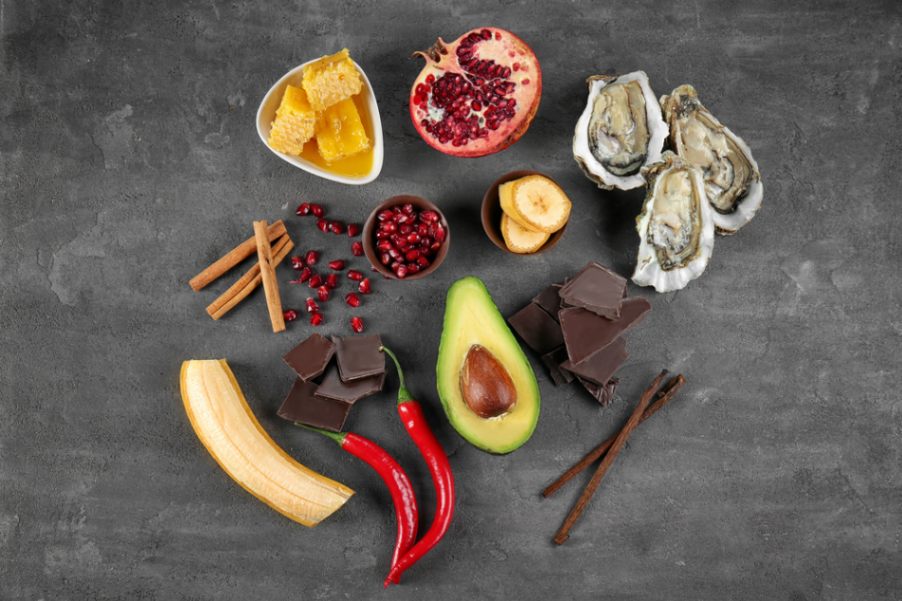
Testosterone is synthesized from cholesterol. Low-fat diets often correlate with lower testosterone production. Prioritize monounsaturated fats (olive oil, avocados) and saturated fats from whole food sources (eggs, grass-fed beef) to provide the raw material for steroidogenesis.
Sleep Optimization: Your Body’s Hormonal Reset
Sleep is not optional—it’s when your body produces the majority of its testosterone.
Research shows that men who sleep fewer than 5 hours per night have 10-15% lower testosterone levels than those who sleep 7-9 hours. The majority of testosterone production occurs during REM (Rapid Eye Movement) sleep, which cycles throughout the night but is most concentrated in the final sleep cycles.
The Deep Sleep Sanctuary
Create an environment optimized for REM cycles:
- Temperature: Keep your bedroom between 65-68°F. Core body temperature must drop for deep sleep initiation.
- Darkness: Use blackout curtains or an eye mask. Even small amounts of light suppress melatonin and disrupt circadian rhythm.
- Blue Light Curfew: Stop screen exposure 90 minutes before bed. Blue wavelengths suppress melatonin production by up to 50%.
Circadian Rhythm Alignment
Expose yourself to natural sunlight within 30 minutes of waking. Morning light exposure anchors your circadian clock, improves sleep quality at night, and supports Vitamin D synthesis—a triple benefit for testosterone optimization.
If sleep quality is compromised by joint pain, chronic inflammation, or poor recovery, our regenerative medicine treatments can address the underlying tissue damage that’s disrupting your rest.
How Stress Destroys Testosterone (And How to Fix It)
Cortisol and testosterone exist in an inverse relationship—when one rises, the other falls.
Chronic stress triggers the hypothalamic-pituitary-adrenal (HPA) axis, flooding your system with cortisol. This catabolic hormone directly suppresses testosterone production at the testicular level and increases the enzyme aromatase, which converts testosterone to estrogen.
The Parasympathetic Reset
Activate your parasympathetic nervous system (the “rest and digest” state) through:
- Breathwork: 4-7-8 breathing (inhale for 4, hold for 7, exhale for 8) stimulates the vagus nerve and lowers cortisol within minutes.
- Cold Exposure: Cold showers or ice baths increase norepinephrine and improve stress resilience over time. Start with 30 seconds of cold water at the end of your shower.
- Nature Exposure: Even 20 minutes in a natural setting reduces cortisol by measurable amounts.
Adaptogenic Support
Herbs like Ashwagandha (KSM-66 extract) have been shown in randomized controlled trials to reduce cortisol by up to 28% and increase testosterone by 14-18% in stressed men. Typical dosing is 300-600 mg daily.
Resistance Training: The Anabolic Stimulus
Specific types of exercise signal your body to produce more testosterone. Others do the opposite.
Compound Movements for Hormonal Response
Heavy, multi-joint lifts (squats, deadlifts, bench press, overhead press) create the greatest acute testosterone spike. The key variables:
- Load: 80-90% of your one-rep max
- Volume: 3-5 sets of 4-6 reps
- Rest: 2-3 minutes between sets for full ATP recovery
This type of training creates a neurological stimulus that signals growth and repair—your body responds by upregulating anabolic hormones.
The Overtraining Trap
Excessive endurance cardio (60+ minute sessions daily) elevates cortisol and suppresses testosterone. If you’re running marathons or doing high-volume CrossFit, you may be actively suppressing the hormone you’re trying to optimize.
Central nervous system (CNS) fatigue—marked by irritability, sleep disruption, and declining performance—is a red flag that training volume exceeds your recovery capacity. Dial back volume and prioritize strength over endurance.
If chronic pain or joint dysfunction is limiting your ability to lift heavy, our advanced stem cell treatments can regenerate damaged tissue and restore full function, naturally, without surgery.
Environmental Toxins You’re Exposed to Daily
Even if your diet and lifestyle are optimized, environmental endocrine disruptors (EDCs) can actively suppress testosterone.
Xenoestrogens: The Hidden Threat
These are synthetic compounds that mimic estrogen in your body. Common sources:
- BPA and BPS (plastics in food containers and water bottles)
- Phthalates (personal care products like shampoo, lotion, cologne)
- Pesticides (non-organic produce, especially the “Dirty Dozen”)
Men with the highest BPA exposure have testosterone levels 10-20% lower than those with minimal exposure.
The Plastic-Free Kitchen
Store food in glass or stainless steel containers. Never microwave food in plastic. Filter your drinking water to remove pharmaceutical residues and heavy metals that interfere with endocrine function.
Personal Care Product Audit
Switch to phthalate-free, paraben-free products. The skin is highly absorptive—what you put on your body matters as much as what you put in it.
Evidence-Based Supplements: Adaptogens and Bioavailability Enhancers
Supplementation should complement—not replace—foundational lifestyle interventions.
Tongkat Ali (Eurycoma longifolia)
This Malaysian root has been shown to reduce SHBG, effectively freeing up bound testosterone. Clinical trials using 200-400 mg daily report increases in free testosterone of 15-20% and improvements in libido and mood within 4-6 weeks.
Ashwagandha (KSM-66)
Beyond its cortisol-lowering effects, Ashwagandha has been shown to increase testosterone by 14-18% in stressed men and improve sperm quality in infertile men. Dosing: 300-600 mg daily with meals.
Shilajit (Fulvic Acid)
This Himalayan resin enhances mitochondrial function and nutrient absorption. Studies show 250-500 mg daily can increase total and free testosterone by 20% over 90 days, particularly in men over 45.
Bioavailability Enhancers
Piperine (from black pepper) increases the absorption of fat-soluble vitamins and herbal compounds by up to 200%. Pair it with Vitamin D3, Ashwagandha, and Tongkat Ali for maximum effect.
Our peptide therapy programs offer advanced bioregulatory compounds that work synergistically with natural supplementation to optimize hormonal pathways.
How Long Does It Take to See Natural Changes in Testosterone Levels?
Most men ask: “When will I feel different?”
The honest answer: 8-12 weeks for measurable lab changes; 4-6 weeks for subjective improvements in energy and mood.
Testosterone production responds to consistent lifestyle inputs over time—not overnight. Here’s the typical timeline:
- Weeks 1-2: Improved sleep quality, reduced brain fog (from cortisol management and magnesium)
- Weeks 3-4: Increased morning energy, better workouts (from Zinc, Vitamin D3, resistance training)
- Weeks 6-8: Noticeable improvements in libido and recovery (from reduced SHBG, increased free testosterone)
- Weeks 10-12: Lab-confirmed increases in free testosterone (typically 15-30% from baseline)
Consistency is the variable that determines success. Sporadic supplementation and inconsistent sleep will not yield results.
What To Do Next
If you’ve implemented these strategies for 12 weeks and lab testing shows minimal improvement—or if your symptoms are severe enough to impact quality of life—it may be time to explore hormone therapy.
At Denver Regenerative Medicine, we offer comprehensive testosterone therapy programs that use bioidentical hormones tailored to your specific physiology. Our approach gives your body the best chance to restore vitality, naturally, without unnecessary medications or invasive procedures.
Ready to take control of your hormonal health?
Schedule your free consultation with a Denver Regenerative Medicine hormone therapy expert today. We’ll review your labs, assess your symptoms, and create a customized protocol—whether that’s advanced natural optimization or carefully monitored hormone replacement.
Don’t let declining testosterone limit your performance and quality of life any longer.
 The Mysteries and Realities of Testosterone Replacement Therapy
