

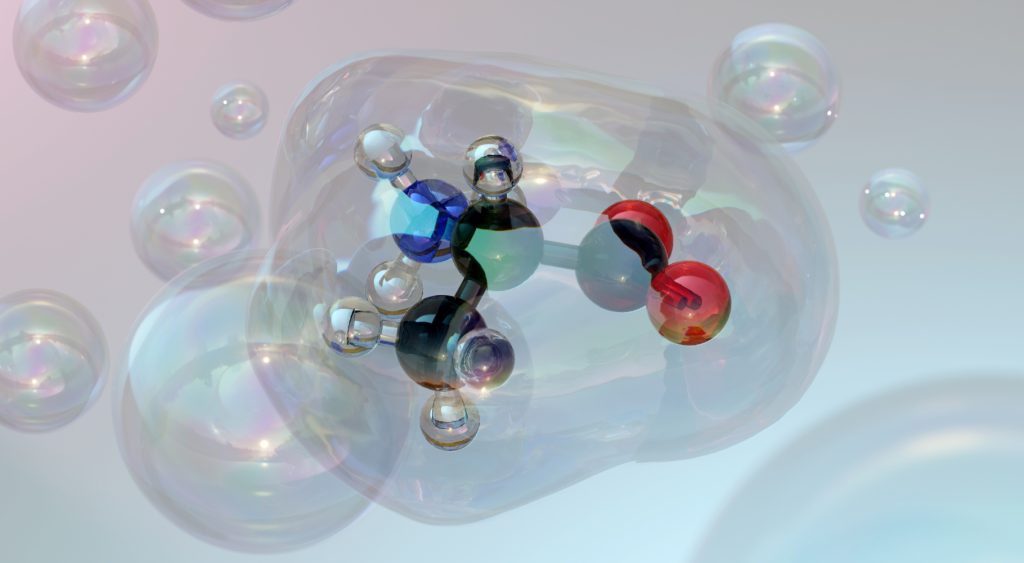
- Peptides are short chains of amino acids (typically fewer than 50) that act as signaling molecules, instructing your cells to perform specific functions like tissue repair, hormone release, or metabolic regulation.
- Unlike traditional pharmaceutical drugs that force a biological response, peptides work with your body’s natural systems by binding to cell receptors and triggering physiological processes already present in healthy tissue.
- Growth hormone peptides stimulate your pituitary gland to release more of your own growth hormone, while weight loss peptides (like GLP-1 agonists) mimic satiety hormones to reduce appetite and improve blood sugar control.
- Because peptides operate within your body’s natural (“physiological”) range and are often bioidentical to sequences your body already produces, they may offer a safer, more targeted profile than exogenous hormones or synthetic drugs—though they are not risk-free and require medical oversight.
If you’ve been researching alternatives to surgery, synthetic hormones, or traditional weight loss drugs, you’ve likely come across the term “peptides.” But what are peptides, exactly—and how do they work inside your body?
The short answer: Peptides are short chains of amino acids that function as biological messengers. They tell your cells what to do, whether that’s releasing growth hormone, repairing damaged tissue, or signaling your brain that you’re full. Unlike many pharmaceutical drugs that override your body’s natural processes, peptides work with your existing systems, which is why they’re increasingly used in regenerative medicine, metabolic health, and anti-aging therapies.
In this guide, we’ll break down the science in plain language—what peptides are at the molecular level, how they differ from proteins and drugs, how growth hormone and weight loss peptides function, and why their “physiological” action may offer a safer, more natural alternative for certain conditions.
What Are Peptides?
The Building Blocks: Amino Acids and Peptide Bonds
To understand peptides, start with amino acids—the “beads on a string” that make up all proteins in your body.
When two or more amino acids link together through a chemical bond (called a peptide bond), they form a peptide. Think of it this way:
- 2–50 amino acids = Peptide (short chain)
- 50+ amino acids = Protein (long, complex chain that folds into specific shapes)
Your body produces thousands of peptides naturally. Insulin (which regulates blood sugar) is a peptide. So is oxytocin (the “bonding hormone”). These molecules are essential for communication between cells, tissues, and organs.
How Peptides Differ from Proteins and Pharmaceutical Drugs
Peptides vs. Proteins:
Peptides are smaller and simpler. Proteins are large, folded structures that perform structural or enzymatic roles (like collagen in your skin or hemoglobin in your blood). Peptides, by contrast, are typically signaling molecules—they carry instructions rather than perform mechanical work.
Peptides vs. Pharmaceutical Drugs:
Most traditional drugs are small synthetic molecules designed to block or stimulate a biological pathway. They often work by forcing a response—like beta-blockers that slow your heart rate or NSAIDs that inhibit inflammation enzymes.
Peptides, on the other hand, are bioidentical or biomimetic—they either match sequences your body already makes or closely mimic them. Instead of forcing a change, they amplify or modulate processes that are already happening. This is why peptide therapies are often described as “physiological”—they work within the range your body naturally operates.
How Do Peptides Work in the Body?
Cell Signaling: Peptides as Molecular Messengers
Peptides don’t enter your cells and rewrite your DNA. Instead, they act like text messages sent to the surface of your cells.
Here’s the process:
- A peptide circulates in your bloodstream (or is injected into tissue).
- It arrives at a target cell and binds to a receptor on the cell’s surface.
- This binding triggers a cascade of signals inside the cell, instructing it to perform a specific function—release a hormone, produce collagen, reduce inflammation, etc.
This is called signal transduction, and it’s how your body coordinates everything from wound healing to metabolism.
Receptor Binding and the “Lock and Key” Mechanism
Peptides are highly specific. Each peptide has a unique amino acid sequence, and each receptor has a matching shape. Think of it as a lock and key:
- The peptide (key) fits into the receptor (lock).
- When the fit is right, the receptor activates and sends a signal into the cell.
- If the peptide doesn’t match, nothing happens.
This specificity is why peptides can be so targeted. A growth hormone–releasing peptide, for example, binds to receptors in the pituitary gland—not your liver or kidneys—so its effects are concentrated where you want them.
Why Most Peptides Need to Be Injected
Here’s a challenge: peptides are fragile.
When you swallow a peptide, digestive enzymes in your stomach break it down into individual amino acids before it can reach your bloodstream. (This is why insulin, a peptide, must be injected—not taken as a pill.)
To preserve their structure and function, most therapeutic peptides are administered via:
- Subcutaneous injection (under the skin)
- Intramuscular injection
- Intranasal spray (for certain brain-targeted peptides)
Researchers are working on more stable analogs and oral delivery systems, but for now, injection remains the gold standard for bioavailability.

How Growth Hormone Peptides Work
Stimulating Your Body’s Natural Growth Hormone Release
Growth hormone (GH) is produced by your pituitary gland and plays a key role in tissue repair, muscle growth, fat metabolism, and recovery. As you age, GH production declines—contributing to slower healing, loss of muscle mass, and increased body fat.
Rather than injecting synthetic growth hormone directly (which can suppress your body’s natural production and carry risks like insulin resistance), growth hormone–releasing peptides (GHRPs) work differently:
- They bind to receptors in the pituitary gland.
- They stimulate the gland to release your own growth hormone.
- This keeps your body’s feedback loops intact, so GH is released in pulses—just as it would be naturally.
Because you’re amplifying your body’s existing system rather than replacing it, the approach is often considered more physiological and safer for long-term use.
Examples: Ipamorelin, CJC-1295, and Tesamorelin
Ipamorelin:
A selective GHRP that stimulates GH release without significantly affecting cortisol or prolactin. It’s often used for recovery, anti-aging, and body composition.
CJC-1295:
A longer-acting peptide that increases the amplitude and frequency of GH pulses. Often combined with ipamorelin for synergistic effects.
Tesamorelin:
FDA-approved for reducing visceral fat in patients with HIV-associated lipodystrophy. It mimics growth hormone–releasing hormone (GHRH) and has been studied for metabolic and cognitive benefits.
These peptides don’t flood your system with exogenous GH. Instead, they “remind” your pituitary to do its job—keeping hormone levels within a natural, physiological range.
How Weight Loss Peptides Work
GLP-1 Agonists and Satiety Signaling
One of the most talked-about classes of peptides today is GLP-1 receptor agonists—medications like semaglutide (Ozempic, Wegovy) and tirzepatide (Mounjaro, Zepbound).
GLP-1 (glucagon-like peptide-1) is a hormone your gut naturally produces after you eat. It:
- Signals your brain that you’re full (reducing appetite)
- Slows gastric emptying (so you feel satisfied longer)
- Stimulates insulin release in response to food (improving blood sugar control)
Synthetic GLP-1 agonists mimic this hormone but are engineered to last much longer in your bloodstream. Instead of breaking down in minutes, they remain active for days—allowing once-weekly injections.
Blood Sugar Regulation and Metabolic Benefits
Beyond weight loss, GLP-1 peptides improve metabolic health by:
- Reducing blood sugar spikes after meals
- Decreasing insulin resistance
- Lowering inflammation markers
- Supporting cardiovascular health (some studies show reduced risk of heart attack and stroke)
This is why GLP-1 agonists are FDA-approved not just for weight loss, but also for type 2 diabetes management. They address the root metabolic dysfunction, not just the symptom (excess weight).
At Denver Regenerative Medicine, we offer GLP-1 weight loss programs with medical oversight, customized dosing, and ongoing support to help you achieve sustainable results. Learn more about our weight loss peptide programs.
Why Peptides May Be Safer Than Traditional Drugs
Operating Within Physiological Range
One of the key advantages of peptide therapy is that it works within your body’s natural operating range.
When you inject exogenous growth hormone, for example, you’re introducing a hormone from an outside source. Your body may respond by downregulating its own production, and high doses can lead to side effects like joint pain, edema, or insulin resistance.
Growth hormone peptides, by contrast, stimulate your own pituitary gland. Your body still controls the release, so GH levels stay within a more natural range. This “physiological dosing” reduces the risk of overstimulation.
Bioidentical Action vs. Exogenous Hormones
Many therapeutic peptides are bioidentical—their amino acid sequences match those your body already produces. This means:
- Your immune system is less likely to recognize them as foreign (lower immunogenicity risk)
- They integrate seamlessly into existing biological pathways
- Side effects tend to be milder and more predictable
That said, peptides are not risk-free. They can still cause allergic reactions, injection site irritation, or unintended effects if dosed improperly. And because many peptides are used off-label or are not yet FDA-approved for certain indications, quality control and medical supervision are critical.
Common Therapeutic Applications of Peptides
Peptide therapy is used across a wide range of medical and wellness applications:
- Metabolic Health: GLP-1 agonists for weight loss and diabetes management
- Tissue Repair & Injury Recovery: BPC-157 and TB-500 for tendon, ligament, and muscle healing
- Anti-Aging & Skin Health: Collagen-stimulating peptides (like GHK-Cu and Matrixyl) for wrinkle reduction and skin elasticity
- Cognitive Function: Nootropic peptides (like Semax and Selank) for focus, memory, and neuroprotection
- Hair Restoration: Growth factor peptides to rejuvenate hair follicles and improve scalp circulation
- Immune Support: Thymosin alpha-1 for immune modulation and chronic infections

At Denver Regenerative Medicine, we use peptides as part of a comprehensive regenerative approach—often in combination with stem cell therapy and platelet-rich plasma (PRP) to create a powerful synergy for healing and recovery.
Safety, Regulation, and What You Need to Know
FDA Classification and Off-Label Use
Some peptides—like insulin, semaglutide, and tesamorelin—are FDA-approved for specific indications. Others are prescribed off-label or sourced from compounding pharmacies, which means they may not have undergone the same rigorous approval process.
What this means for you:
- Always work with a qualified physician who understands peptide therapy.
- Ensure your peptides are sourced from reputable, U.S.-based compounding pharmacies that follow strict purity standards (HPLC testing).
- Understand the difference between approved and experimental uses.
Potential Side Effects and Contraindications
While peptides are generally well-tolerated, possible side effects include:
- Injection site reactions (redness, swelling, itching)
- Nausea or digestive upset (common with GLP-1 agonists)
- Water retention or joint discomfort (with some GH peptides)
- Allergic reactions (rare but possible)
Peptides may not be appropriate if you:
- Have a history of certain cancers (growth-promoting peptides may be contraindicated)
- Are pregnant or breastfeeding
- Have severe kidney or liver disease
A thorough consultation and medical history review are essential before starting any peptide therapy.
Frequently Asked Questions
Are peptides natural?
Many peptides are bioidentical to sequences your body produces naturally. However, therapeutic peptides are synthesized in labs to ensure purity, stability, and consistent dosing.
Are peptide injections safer than growth hormone shots?
Growth hormone peptides stimulate your body’s own GH production rather than replacing it, which may reduce the risk of side effects like insulin resistance or pituitary suppression. However, they are not risk-free and require medical oversight.
Are weight loss peptides considered drugs?
Yes. GLP-1 agonists like semaglutide and tirzepatide are FDA-approved medications for weight loss and diabetes. They are prescription-only and should be used under a doctor’s supervision.
Do peptides actually work for anti-aging and skin repair?
Some peptides (like GHK-Cu and palmitoyl peptides) have clinical evidence supporting collagen production and wound healing. Results vary by individual and formulation.
Can the body build a tolerance to peptide therapy over time?
Tolerance is uncommon with properly cycled peptide therapy, but it can occur with continuous high-dose use. Your physician may recommend periodic breaks or rotating peptides.
What are natural sources of peptides in food?
Collagen peptides (from bone broth), bioactive peptides in dairy (casein, whey), and fermented foods contain naturally occurring peptides. However, these are broken down during digestion and don’t have the same targeted therapeutic effects as injected peptides.
What To Do Next
Don’t let outdated treatments limit your potential.
If you’re dealing with chronic pain, stubborn weight, hormone imbalance, or slow recovery from injury, peptide therapy may offer a cutting-edge, physiological solution that works with your body—not against it.
At Denver Regenerative Medicine, we create customized peptide programs tailored to your unique health goals. Whether you’re interested in growth hormone support, GLP-1 weight loss, or regenerative healing, our team is here to guide you through every step of your journey.Schedule your free consultation today.

