

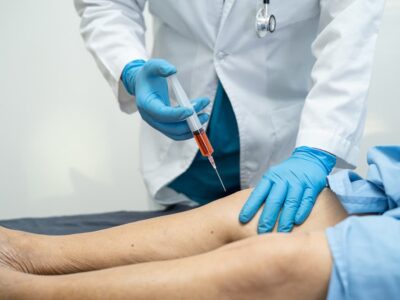
If you’ve been seeking a way to address knee pain that truly gets to the root of the issue, stem cell treatment might be the solution you’ve been looking for. Imagine a treatment that not only targets the symptoms but also aims to enhance your joint health in a sustainable manner. The potential of stem cells to revolutionize knee pain management is a fascinating area of research that holds promise for those seeking long-term relief and improved quality of life.
Osteoarthritis
If you’re experiencing knee pain due to osteoarthritis, stem cell treatment could offer relief and potentially improve joint function. Stem cell benefits include their ability to help regenerate damaged tissue in the knee joint, reducing inflammation and pain. This treatment works by harnessing the regenerative potential of your body’s own stem cells to repair the affected area, promoting healing and potentially slowing down the progression of osteoarthritis.
Joint health benefits are a crucial aspect of stem cell treatment for osteoarthritis. By targeting the damaged tissues in the knee joint, stem cells can aid in restoring proper function and mobility. This can lead to reduced stiffness, increased range of motion, and overall improved joint health. Additionally, stem cell therapy may help delay or even eliminate the need for more invasive treatments like surgery, offering a less invasive option for managing osteoarthritis-related knee pain.
Rheumatoid Arthritis
If you have been diagnosed with rheumatoid arthritis, understanding the symptoms and treatment options is crucial. Rheumatoid arthritis can cause joint pain, swelling, and stiffness, significantly impacting your daily life. Comparing different treatment choices can help you make informed decisions about managing your arthritis symptoms.
Arthritis Symptoms Overview
Rheumatoid Arthritis presents with inflammation in the joints, causing pain and stiffness that can significantly impact daily activities. Regular exercise can help improve joint flexibility and reduce pain associated with arthritis. Low-impact activities like swimming or cycling are gentle on the joints while still providing benefits. Incorporating foods rich in omega-3 fatty acids, such as salmon or flaxseeds, can help reduce inflammation. Additionally, maintaining a healthy weight can alleviate pressure on the joints, leading to decreased discomfort. Ensuring a balanced diet with plenty of fruits, vegetables, whole grains, and lean proteins can also support overall joint health. By combining exercise and proper nutrition, you can effectively manage the symptoms of rheumatoid arthritis and improve your quality of life.
Treatment Options Comparison
When comparing treatment options for rheumatoid arthritis, consider the effectiveness and side effects of each approach. Traditional methods for managing rheumatoid arthritis often involve medications that help reduce inflammation and slow down joint damage. While these methods can provide relief, they may come with side effects such as stomach issues or increased risk of infections. On the other hand, stem cell therapy offers promising benefits for rheumatoid arthritis patients.
Stem cells have the potential to repair damaged tissues and modulate the immune response, leading to improved joint health. Studies suggest that stem cell therapy may offer long-term outcomes and higher patient satisfaction compared to traditional approaches. Considering these factors can help you make an informed decision about the most suitable treatment option for your rheumatoid arthritis.
Ligament Tears
Ligament tears commonly result from sudden trauma or repetitive stress on the knee joint. When these injuries occur, seeking effective treatments like stem cell therapy for ligament repair can aid in promoting joint health. Stem cell therapy, a form of regenerative medicine, has shown promising results in enhancing the healing process of damaged ligaments. By harnessing the body’s natural ability to repair tissues, stem cell treatments can target the root cause of the injury and support the regeneration of healthy ligament tissue.
If you’re dealing with a ligament tear in your knee, considering stem cell therapy as part of your treatment plan may offer a non-invasive alternative to traditional surgical methods. This innovative approach focuses on stimulating the body’s inherent healing mechanisms, potentially leading to improved outcomes and faster recovery times. Embracing regenerative medicine for your joint health can not only address the current injury but also promote long-term strength and stability in your knee.
Meniscus Damage
Meniscus damage often results from overuse or traumatic incidents impacting the knee joint. If you’re dealing with meniscus issues, exploring surgical alternatives might be necessary depending on the severity of the damage. Surgical options like meniscus repair or meniscectomy can help address the problem, but it’s essential to understand the potential risks and benefits associated with each procedure. The recovery timeline post-surgery can vary, but following your doctor’s recommendations diligently can aid in a smoother and faster recovery process.
To prevent meniscus damage, focus on incorporating prevention strategies into your routine. This includes maintaining a healthy weight, avoiding activities that exert excessive pressure on the knees, and ensuring proper warm-ups before engaging in physical activities. Additionally, participating in physical therapy can offer significant benefits by strengthening the surrounding muscles, improving flexibility, and enhancing overall joint health. By being proactive and taking care of your knees, you can reduce the risk of meniscus injuries and promote long-term joint health.
Tendonitis
If you’re experiencing knee pain, tendonitis could be the culprit. This condition occurs due to overuse or injury, causing inflammation of the tendons around the knee joint. Treatment options for tendonitis include rest, physical therapy, and in severe cases, stem cell therapy may be recommended.
Causes of Tendonitis
When overused or subjected to repetitive motions, tendons can become inflamed, leading to tendonitis. This condition can be caused by various factors, such as:
- Poor Posture: Incorrect body alignment can put excess strain on tendons.
- Inadequate Warm-Up: Skipping proper warm-up routines before physical activities can increase the risk of tendonitis.
- Muscle Imbalance: Strength imbalances between muscle groups can lead to overloading of tendons.
To prevent tendonitis, consider incorporating physical therapy benefits into your routine and following prevention strategies like proper stretching, gradual increase in exercise intensity, and maintaining good posture. By being mindful of these factors, you can reduce the likelihood of developing tendonitis and promote overall joint health.
Treatment Options Available
For individuals experiencing tendonitis, various treatment options are available to alleviate pain and promote healing. Stem cell therapy offers significant benefits for tendonitis by promoting tissue regeneration and reducing inflammation. This cutting-edge treatment has shown promising success rates in improving joint health and function. Unlike traditional treatments, stem cell therapy targets the root cause of tendonitis, leading to better long-term outcomes.
Alternative therapies such as physical therapy, acupuncture, and ultrasound can complement stem cell treatments, accelerating the healing process. Stem cell therapy typically involves minimal recovery time compared to invasive surgical procedures, allowing individuals to return to their daily activities sooner. Embracing these innovative treatment options can offer effective relief for tendonitis and enhance overall joint health.
Bursitis
Bursitis commonly causes inflammation and pain in the knee joint. The condition occurs when the bursae, small fluid-filled sacs that cushion the bones, become inflamed due to repetitive movements or injury. To address bursitis effectively, consider the following tips:
- Bursitis Prevention Tips:
- Avoid repetitive stress on the knees by incorporating rest periods during activities.
- Maintain a healthy weight to reduce pressure on the knee joints.
- Use proper techniques during physical activities to prevent unnecessary strain on the knees.
When it comes to managing bursitis, there are various treatment techniques available. These include:
- Bursitis Treatment Techniques:
- Applying ice packs to reduce inflammation and pain.
- Resting and elevating the affected knee to promote healing.
- Physical therapy exercises to strengthen the muscles around the knee and improve joint stability.
Cartilage Degeneration
When it comes to cartilage degeneration in your knee, it’s essential to understand the causes behind it, keep an eye out for the symptoms that may arise, and explore the available treatment options that could help alleviate your pain and improve your knee function.
Causes of Degeneration
Degeneration of cartilage in the knee joint can result from various factors such as aging, injuries, or genetic predisposition. These causes can lead to a progressive deterioration of the cartilage, impacting joint health over time. Understanding the reasons behind this degeneration is crucial in implementing effective treatment strategies. To highlight the key points:
- Prevention strategies: Implementing lifestyle changes and protective measures can help slow down cartilage degeneration.
- Degeneration causes: Identifying the root causes of cartilage breakdown is essential for targeted treatment.
- Risk factors: Factors such as obesity, overuse of the joint, and poor alignment can exacerbate the progression of cartilage degeneration.
Symptoms to Watch
Watching for specific symptoms can help you identify the early signs of cartilage degeneration in your knee joint. If you start feeling persistent pain, especially when bearing weight or moving, it could be a sign of cartilage deterioration. Swelling or stiffness in the joint, along with a decreased range of motion, may also indicate cartilage issues. As the condition progresses, you might notice a grinding sensation or hear popping sounds when you move your knee. To manage the pain effectively, consider a holistic approach that combines pain relief methods with lifestyle changes. Seeking early intervention and adopting a proactive stance towards your joint health can help alleviate discomfort and improve your overall quality of life.
Treatment Options Available
To address cartilage degeneration in your knee joint, exploring various treatment options can help manage pain and improve joint function. One promising option to consider is stem cell therapy, which has shown positive results in promoting tissue regeneration and reducing inflammation. This treatment involves injecting stem cells into the affected area to stimulate healing and repair damaged cartilage.
While recovery time may vary depending on individual circumstances, many patients experience improvements in their symptoms within a few weeks. The success rate of stem cell treatment for cartilage degeneration is encouraging, with many individuals reporting long-term relief and enhanced joint mobility. Discussing this option with your healthcare provider can help determine if stem cell therapy is suitable for addressing your knee pain.
Post-Traumatic Injury
After experiencing a traumatic injury to your knee, seeking stem cell treatment can help promote faster healing and reduce pain. Stem cell benefits in post-traumatic knee injuries lie in their regenerative therapy properties, which aid in repairing damaged tissues and promoting overall joint health. By introducing stem cells into the injured area, the body’s natural healing processes are stimulated, leading to accelerated recovery and potentially reducing the need for invasive procedures.
Regenerative therapy through stem cell treatment offers a promising alternative for individuals dealing with knee injuries sustained from trauma. These advanced treatments can target the specific areas of damage within the knee joint, potentially improving mobility and function while decreasing discomfort. By harnessing the regenerative capabilities of stem cells, you may experience enhanced healing, reduced inflammation, and a better chance at restoring optimal knee function post-injury.
Synovitis
Following a post-traumatic knee injury, if you experience persistent swelling and inflammation in the joint, you may be dealing with synovitis. This condition involves the inflammation of the synovial membrane, which can lead to pain, stiffness, and decreased mobility in the knee. Fortunately, stem cell therapy offers a promising solution for managing inflammation and promoting joint health.
- Stem Cell Therapy: Utilizing stem cells can help reduce inflammation in the knee joint, potentially alleviating symptoms of synovitis.
- Inflammation Management: Stem cell therapy targets the root cause of inflammation, providing long-lasting relief and promoting healing.
- Regenerative Medicine: By harnessing the power of regenerative medicine, stem cell treatment offers various joint health benefits, aiding in tissue repair and regeneration.
Incorporating stem cell therapy into your treatment plan can be an effective way to address synovitis and improve your overall knee health.
Patellofemoral Pain
Addressing patellofemoral pain requires a comprehensive understanding of the underlying factors contributing to this condition. This type of knee pain often stems from issues like muscle imbalances, overuse, or poor alignment of the patella within the femoral groove. To effectively manage patellofemoral pain, consider incorporating exercise therapy and rehabilitation programs into your routine. These programs can help strengthen the muscles surrounding the knee joint, improve flexibility, and correct any imbalances that may be causing discomfort. Additionally, utilizing bracing techniques and alignment correction methods can provide support and promote proper tracking of the patella during movement.
When dealing with patellofemoral pain, it’s crucial to address both the symptoms and the root causes of the issue. By actively participating in tailored exercise regimens, rehabilitation protocols, and implementing bracing or alignment correction strategies, you can work towards alleviating discomfort and improving joint health. Remember, consistency and proper technique are key in effectively managing patellofemoral pain.
Final Thoughts
Stem cell treatment offers a promising solution to target knee pain effectively and improve joint health. By harnessing the body’s own regenerative capabilities, this therapy can help regenerate damaged tissue, reduce inflammation, and alleviate pain associated with various knee conditions. With the potential to promote healing and slow down the progression of degenerative joint diseases, stem cell treatment provides a holistic approach to enhance joint function, mobility, and overall quality of life.
 Boosting Stem Cell Treatments with Nutrition and Lifestyle Changes
